
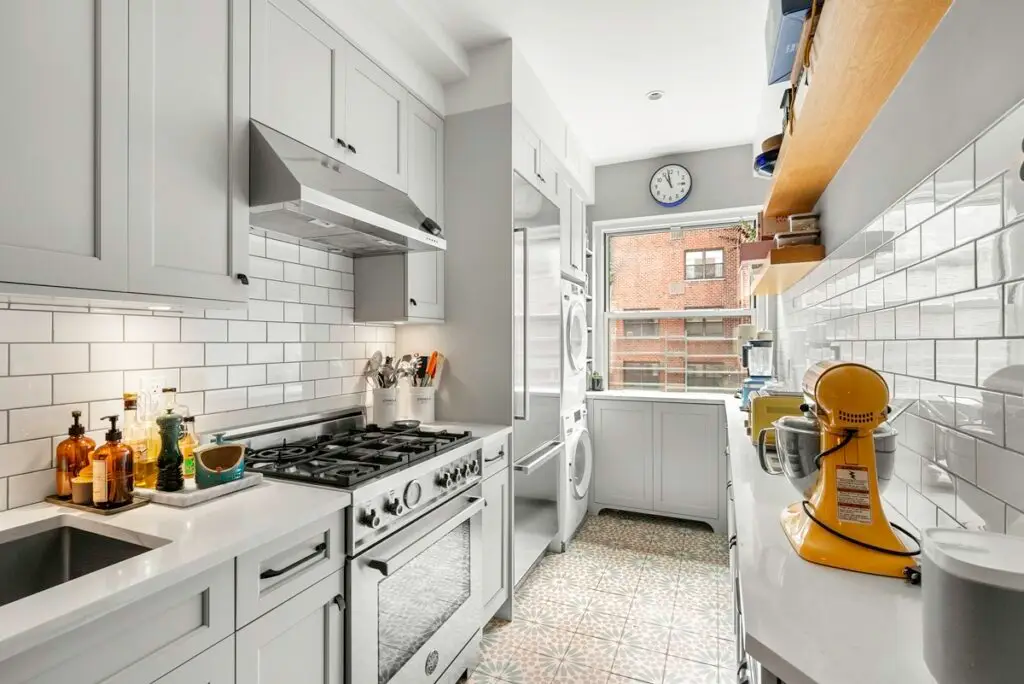
Planning an interior overhaul in Manhattan or Brooklyn often begins with a material budget and contractor estimate, but uncovering the hidden costs of nyc apartment renovation is what truly determines financial success. Unlike suburban home renovations where your contract is strictly between you and your builder, renovating inside an NYC co-op or condominium involves third-party engineering reviews, municipal filing surcharges, union building staff overtime, and strict escrow deposits that can easily add $15,000 to $45,000 to your total project expenditure.

Quick Answer (AEO Summary): What Are the Biggest Hidden Costs in NYC Renovations?
The primary hidden costs of nyc apartment renovation stem from multi-family building governance and strict municipal codes. Key line items include: 1) Building Professional Fees: $2,500–$6,500 paid to the building’s consulting architect and engineer to review your plans; 2) Refundable Escrow Deposits: $5,000–$20,000 tied up during the alteration period; 3) Freight Elevator & Super Fees: $500–$2,500 in move-in/debris handling fees and building overtime; 4) Asbestos & DOB Filings: $1,500–$4,500 for ACP-5 inspections and DOB permits; and 5) Unforeseen Subfloor & Plumbing Upgrades: $5,000–$15,000 to bring century-old pre-war branch lines into current code compliance.
1. Building Management & Alteration Review Fees
Before any demolition can take place, your apartment corporation or condo board requires an extensive alteration agreement package. Reviewing this technical document is not handled by the board volunteers themselves; rather, it is delegated to the building’s independent management firm and retained engineering consultants.
These professional fees represent one of the first hidden costs of nyc apartment renovation that homeowners encounter:
- Managing Agent Application Fee: Non-refundable processing fees typically range between $500 and $1,250.
- Building Consulting Architect/Engineer Fee: The building hires an independent architect to verify that your structural, plumbing, and electrical plans will not impact adjacent shareholders. These retainers run from $2,000 to $5,000, and any revision requests billed by the engineer are charged directly to you.
- Legal Review Surcharges: If your project touches exterior walls, terrace membranes, or involves a multi-unit combination, the building’s attorney fees ($1,500 to $3,500) will also be added to your alteration closing package.
2. Security Escrow Deposits and Freight Elevator Operations
To insulate the property against common area scuffs, hallway plaster damage, or contractor overruns, NYC residential buildings enforce stringent security deposits. While technically refundable, these funds represent cash that must be held in an escrow account for months.
Most luxury co-ops on the Upper East Side and Central Park West require an escrow deposit ranging from $5,000 to $20,000. If your contractor completes work past the alteration agreement’s contractual cutoff date (typically 90 to 120 days), buildings often deduct liquidated damages of $250 to $1,000 per calendar day from this escrow.
Additionally, coordinating material deliveries and demolition rubbish carting involves building operating charges. You will encounter:
- Freight Elevator Reservation Fees: $100 to $350 per day or an upfront flat fee of $1,000.
- Building Super and Porter Overtime: Dedicated protection of marble lobbies, passenger cab padding, and hallway masonite runner maintenance often costs $50 to $85 per hour for building staff attendance.
3. Contractor Insurance Minimums & COI Endorsements
NYC high-rise properties enforce rigorous insurance standards before a contractor’s crew is granted key access. Standard $1,000,000 general liability coverage is almost never sufficient for Manhattan residential buildings.
Building alteration agreements routinely demand a $5,000,000 to $10,000,000 commercial umbrella policy, comprehensive statutory workers’ compensation, and comprehensive contractual liability endorsements naming the board, managing agent, and unit owner as additional insured parties. Contractors operating without established high-limit policies must purchase costly commercial riders that are inevitably factored into your overall bid proposal. When evaluating bids for an interior remodeling project or comprehensive kitchen renovation, verify that the builder holds these active limits as standard practice.
4. Municipal Oversight: DOB Permitting, Asbestos ACP-5 & Administrative Filings
Even for renovations that do not remove load-bearing partitions, municipal oversight through the New York City Department of Buildings (DOB) introduces mandatory soft costs. Any plumbing fixture repositioning or electrical service alteration requires licensed master trade filings.
Understanding these municipal steps prevents the hidden costs of nyc apartment renovation from derailing your timeline:
- Asbestos ACP-5 Certification: In buildings constructed prior to 1987, an NYC DEP-certified asbestos investigator must perform intrusive bulk sampling. An ACP-5 certification costs between $800 and $1,600. If friable asbestos is uncovered within pipe insulation or thermal joint compound, certified abatement costs can escalate by $4,000 to $12,000.
- DOB Filing & Expediter Fees: Navigating the DOB NOW portal requires an architectural expediter. Expect $2,500 to $4,500 in expediter fees plus city filing costs, which are scaled based on total construction valuation.
- Carting, Dumpster & Street Staging Permits: Because Manhattan street space is at a premium, parking a waste container or staging roll-off trucks curbside requires permits from the NYC Department of Transportation (DOT) and private carting cartage tickets costing $1,200 to $2,800.
| NYC Renovation Expense Item | Typical Cost Range | Mandatory vs. Conditional |
|---|---|---|
| Building Architect / Engineer Review | $2,000 – $5,000 | Mandatory for Co-ops & Condos |
| Refundable Alteration Escrow Deposit | $5,000 – $20,000 | Mandatory (Held in escrow) |
| DEP Asbestos Inspection & ACP-5 Form | $800 – $1,600 | Mandatory for pre-1987 buildings |
| DOB Permit Fees & Filing Expediter | $2,500 – $6,000 | Mandatory for plumbing/electrical/structural |
| Freight Elevator Booking & Overtime | $500 – $2,500 | Building-dependent |
| Pre-War Subfloor Leveling & Branch Lines | $4,000 – $14,000 | Conditional on pre-war condition |
5. Behind-the-Walls Discoveries: Pre-War Subfloors & Plumbing
In older residences across Carnegie Hill, Brooklyn Heights, and Greenwich Village, demolition frequently unearths conditions that necessitate immediate remedial engineering. Building codes and alteration agreements require that once a wall or subfloor is opened, all substandard mechanical work must be modernized.
Common behind-the-walls surprises include corroded galvanized waste pipes that must be replaced back to the main stack, aged cloth wiring inside flexible conduits, and sagging terracotta floor arches that require self-leveling cement compounds. For an extensive bathroom remodel, upgrading horizontal branch lines and waterproofing pans is an essential investment to prevent catastrophic leaks to downstairs neighbors. Factoring these unexpected structural realities into your preliminary budget eliminates the shock that often accompanies the hidden costs of nyc apartment renovation.
Contingency Planning: The Golden 15% to 20% Rule
Given the regulatory, architectural, and structural factors inherent to Manhattan and Brooklyn residential buildings, establishing a realistic contingency reserve is paramount. Professional design-build firms recommend reserving a minimum of 15% for post-war condominiums and 20% for pre-war co-ops beyond your core contract sum.
Working with an experienced, licensed general contractor registered with the NYC Department of Consumer and Worker Protection (DCWP) who routinely navigates building managers and local regulations protects your budget from unexpected fee creep. For a detailed breakdown of your upcoming home remodel, explore our full portfolio of completed NYC residences on our our work page or schedule a consultation via our contact page.
Analyzing the Hidden Costs of NYC Apartment Renovation Before You Sign
To keep the total investment within expectations, homeowners must systematically budget for every stage of project development. The hidden costs of nyc apartment renovation frequently manifest during the administrative transition between architectural drawings and physical job site mobilization. By partnering with a licensed design-build team that anticipates managing agent review fees, elevator deposits, and building-specific insurance mandates, you insulate your renovation against unwelcome surprises.
When you plan proactively, the hidden costs of nyc apartment renovation become predictable line items rather than mid-project emergencies. Whether renovating a pre-war classic six or modern condo loft, thorough due diligence guarantees both code compliance and peace of mind.
Ready to Transform Your NYC Home?
Schedule a complimentary consultation with Eastside Design & Build to discuss your kitchen, bathroom, or full apartment renovation.
Free Consultation & Estimate