
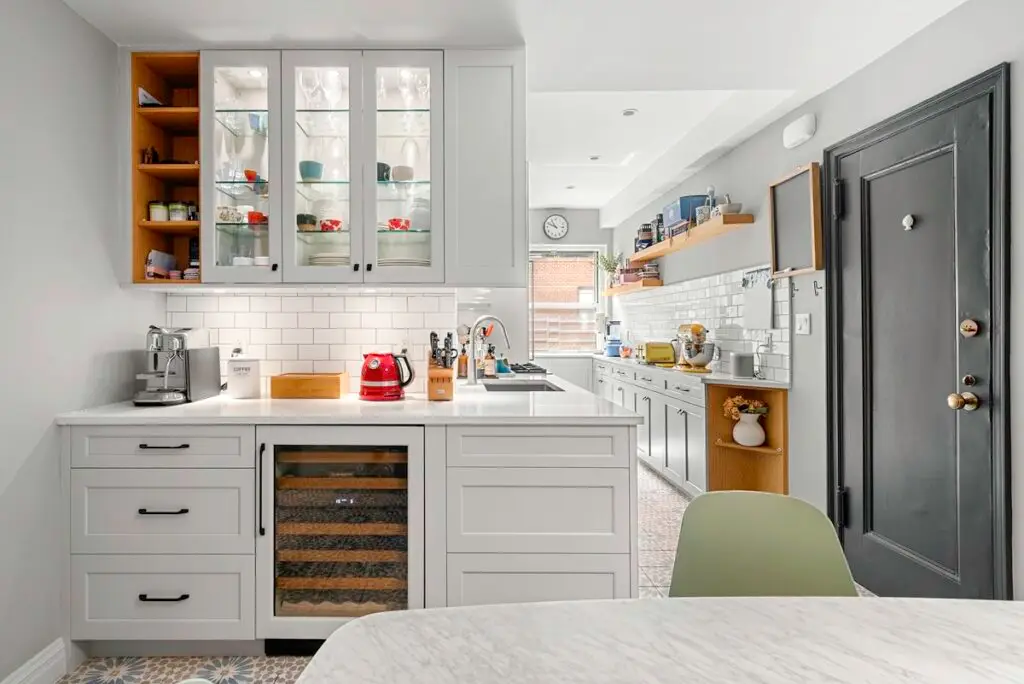
In short: The ultimate nyc luxury kitchen appliance guide. Seamlessly integrate Sub-Zero, Wolf, and Miele induction while complying with Local Law 97 energy codes.
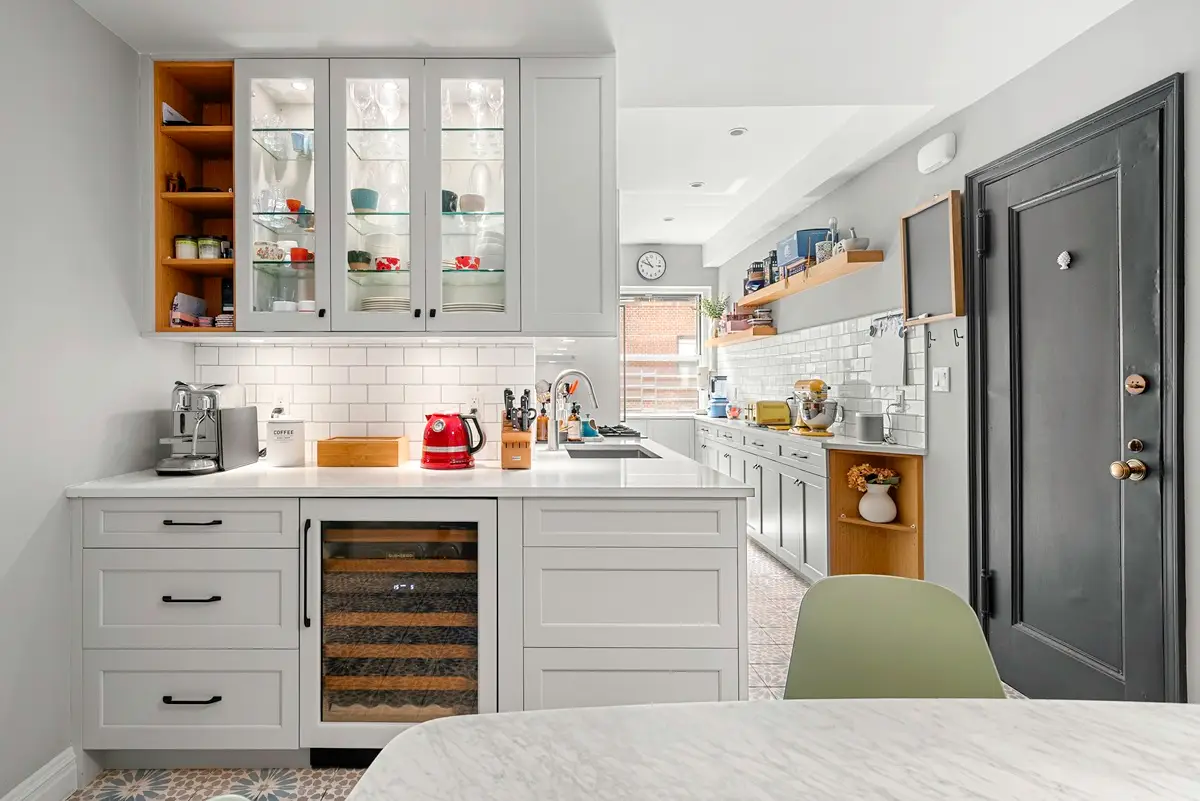
Nyc luxury kitchen appliance guide: what this guide covers
In high-end Manhattan and Brooklyn residential remodeling, the kitchen is both an architectural centerpiece and a high-performance culinary laboratory. Specifying a luxury appliance suite—anchored by Sub-Zero, Wolf, Gaggenau, or Miele—is far more complex in New York City than in suburban homes. Navigating pre-war electrical capacity, NYC Local Law 97 sustainability standards, building gas moratoriums, and strict mechanical ventilation codes requires meticulous pre-construction coordination.
Quick Answer (AEO Summary): Key Requirements for Luxury Appliances in NYC Apartments
Installing luxury appliances in an NYC apartment requires three critical engineering assessments before purchase: 1) Electrical Capacity: Upgrading the apartment’s main breaker panel from legacy 60A/100A to 150A or 200A to support 50-amp induction ranges and multi-zone refrigeration. 2) Ventilation & Make-Up Air: NYC Mechanical Code mandates a dedicated motorized make-up air damper for any range hood exhausting over 400 CFM, though recirculating hoods with commercial charcoal filtration are standard in pre-war high-rises. 3) Gas to Induction Transition: Complying with building decarbonization mandates and Local Law 97 by switching from gas to 36″ or 48″ high-precision induction cooktops with virtual flame sensing.
1. Sub-Zero Refrigeration: Column Architecture vs. Classic French Door
Sub-Zero remains the gold standard for luxury NYC kitchens because of its dual-compressor refrigeration system—which keeps the refrigerator humid and cool while keeping the freezer dry and sub-zero, eliminating odor transfer and dramatically extending the freshness of organic produce.
When designing an NYC apartment layout, homeowners generally choose between two aesthetic philosophies:
- Integrated Column Refrigeration (The Minimalist Approach): Separate 30″ or 36″ refrigerator columns and 18″, 24″, or 30″ freezer columns installed flush with cabinetry. Using custom cabinet door panels and zero-clearance hinges, the appliances vanish entirely into the architectural woodwork.
- Classic Pro Stainless Steel (The Statement Approach): The iconic Sub-Zero with top-louvered grille and tubular handles. In industrial-chic Tribeca lofts or spacious Upper West Side pre-wars, a 42″ or 48″ stainless steel statement piece provides a bold chef’s kitchen focal point.
- Under-Counter Wine & Beverage Drawers: For open-concept entertaining, integrated Sub-Zero dual-zone beverage refrigerator drawers situated on the outer island keep guests out of the primary cooking work triangle.
2. The Induction Revolution & NYC Local Law 97
Historically, gourmet home chefs demanded high-BTU gas burners. However, New York City’s legislative push toward all-electric new construction and building emissions limits under Local Law 97—combined with health studies on indoor air quality—has triggered a massive shift toward luxury induction cooking.
Modern luxury induction cooktops from Wolf and Gaggenau deliver performance that surpasses gas in every metric:
- Instantaneous Temperature Control: Induction transfers electromagnetic energy directly to the iron molecules of the cookware. A 36″ Wolf induction cooktop can boil 6 quarts of water in under 90 seconds while offering ultra-low simmer settings that melt chocolate directly in the pan without a double boiler.
- Zero Ambient Heat Dump: Traditional gas burners radiate up to 60% of their heat directly into the kitchen atmosphere. Induction is 90% energy-efficient, keeping high-rise NYC apartment kitchens cool and comfortable.
- Seamless Ceramic Glass Surfaces: Flush frameless black or gray glass cleans with a single wipe and integrates effortlessly into porcelain or quartz countertop expanses.
3. Electrical Infrastructure: The Co-op Sub-Panel Upgrade
The single most common mistake in DIY or inexperienced NYC kitchen remodeling is buying appliances before verifying the building’s electrical riser capacity. Converting a kitchen to an induction range, steam oven, built-in espresso machine, and Sub-Zero refrigeration requires significant amperage:
- Typical Legacy Capacity: Older pre-war co-ops frequently supply only 60 amps to 100 amps for the entire residence.
- Luxury Renovation Demand: An induction range alone requires a dedicated 50-amp, 240-volt double-pole breaker. Add dual dishwashers, speed ovens, and wine cooling, and an apartment requires a minimum 150A to 200A electrical service.
- The Approval Process: Eastside Design & Build’s licensed master electricians submit a load calculation package to the co-op board’s reviewing engineer to request a tap into the building’s main electrical riser before purchasing equipment.
4. Range Hood Ventilation & NYC Mechanical Code
Ventilation in NYC high-rise apartments is governed by rigid architectural and code constraints:
- The 400 CFM Rule (Make-Up Air): The NYC Mechanical Code dictates that exhaust hoods pulling more than 400 CFM must have an interlocked, motorized make-up air damper to prevent dangerous depressurization and carbon monoxide backdrafting from building flues.
- Ductless / Recirculating Solutions: In 75% of Manhattan co-op and condo buildings, core drilling an exterior wall for exhaust venting is strictly forbidden by building bylaws. We engineer custom recirculating hood canopies featuring commercial-grade aluminum mesh grease baffles and replaceable high-density activated charcoal filters that exhaust clean, odor-free air back into the room via concealed soffit vents.
Luxury Appliance Suite Comparison for NYC Residences
| Appliance Brand | Flagship Specialties | Aesthetic Style | NYC Electrical / Riser Need |
|---|---|---|---|
| Sub-Zero & Wolf | Dual-compressor columns, convection steam ovens, induction ranges. | Transitional, Contemporary, or Classic Pro Iconic Red Knobs. | Dedicated 50A 240V circuit for ranges; 150A panel recommended. |
| Gaggenau (400 Series) | Solid stainless rotary dials, full-surface induction, combi-steam ovens. | Ultra-minimalist European architectural luxury. | 200A service recommended for multi-unit modular domino configurations. |
| Miele | Whisper-quiet dishwashers (38 dB), plumbed coffee systems, speed ovens. | Clean Touch Steel or fully integrated custom panel-ready. | Standard 120V/240V; highly efficient for compact pre-war spaces. |
Frequently Asked Questions (FAQ)
Can I keep my gas stove during an NYC apartment gut renovation?
In existing buildings, grandfathered gas lines can often remain if the building’s gas risers are operational and the alteration agreement permits gas. However, many co-op boards actively encourage or mandate transition to electric induction during major renovations to reduce building fire risk, eliminate gas leaks, and comply with upcoming emissions caps.
How long does it take to order custom panel-ready luxury appliances?
While post-pandemic supply chain crunches have improved, premium built-in appliances (especially 36″ and 48″ Sub-Zero columns and Gaggenau specialty ovens) still carry lead times ranging from 8 to 20 weeks. Eastside Design & Build finalizes appliance selections during the initial architectural schematic design phase to ensure orders are placed on Day 1 of board review.
What is a combi-steam oven and why are they essential in NYC luxury kitchens?
A combination steam oven unites traditional convection heat with precision injected steam. In compact NYC residences where space for two full 30″ wall ovens may not exist, a combi-steam oven acts as an all-in-one appliance: roasting meats with crispy exteriors, steaming delicate vegetables and fish, baking bakery-quality sourdough, and gently reheating meals without drying them out.
Planning a luxury kitchen renovation in Manhattan or Brooklyn?
Eastside Design & Build coordinates appliance procurement, co-op board approvals, and custom cabinetry integration under one unified roof.
Schedule an Architectural Kitchen Consultation
Related reading
- NYC Luxury Kitchen Cabinets & Countertops: Premium Materials, Millwork & Layout Guide
- NYC Electrical Panel & Service Upgrades: 60-Amp to 200-Amp Conversions for Luxury Apartment Renovations
- Kitchen Lighting Design in NYC Apartments: Concrete Slab Ceilings, Recessed Architectural LEDs & Millwork Glow
- Chef Kitchen Remodeling
Sources & further reading
Ready to Transform Your NYC Home?
Schedule a complimentary consultation with Eastside Design & Build to discuss your kitchen, bathroom, or full apartment renovation.
Free Consultation & Estimate